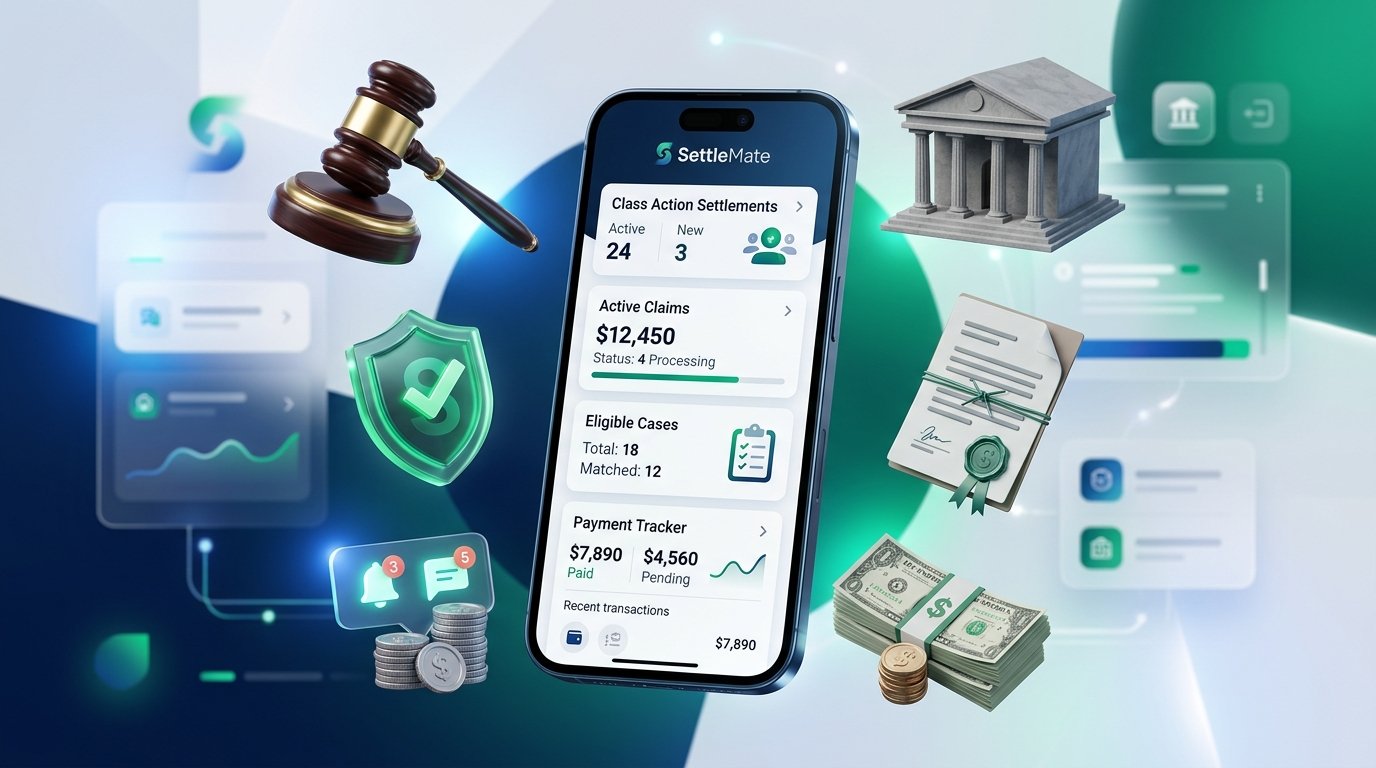
Have you ever bought a thing from a store or used an app and later heard the company had to give money back? This happens a lot. In 2026 many big companies still have to pay people who used their things. The money sits there waiting. Most people never know about it. Deadlines pass and the money goes away. That is why tools that help find these chances can feel useful. One tool people talk about is the settlemate class action app. A clear settlemate app class action overview shows how it tries to make the search easier. Like any tool it works best when you know the simple facts first.
What Is a Class-Action Settlement
A class-action settlement begins when many people feel a company did something wrong. The wrong thing hurt them all in the same way. Instead of each person going to court alone they join as one big group. The court looks at the case. Often the company decides to pay money to end the case. That money becomes the settlement fund.
Picture a big cookie jar. The company fills it with money. Anyone who fits the rules can ask for a piece of the cookie. Sometimes you need a receipt. Sometimes you only need to show you used the product in certain years. The money can come as a check or a gift card or money sent to your bank. Deadlines are very important. When the time ends the chance is gone forever.
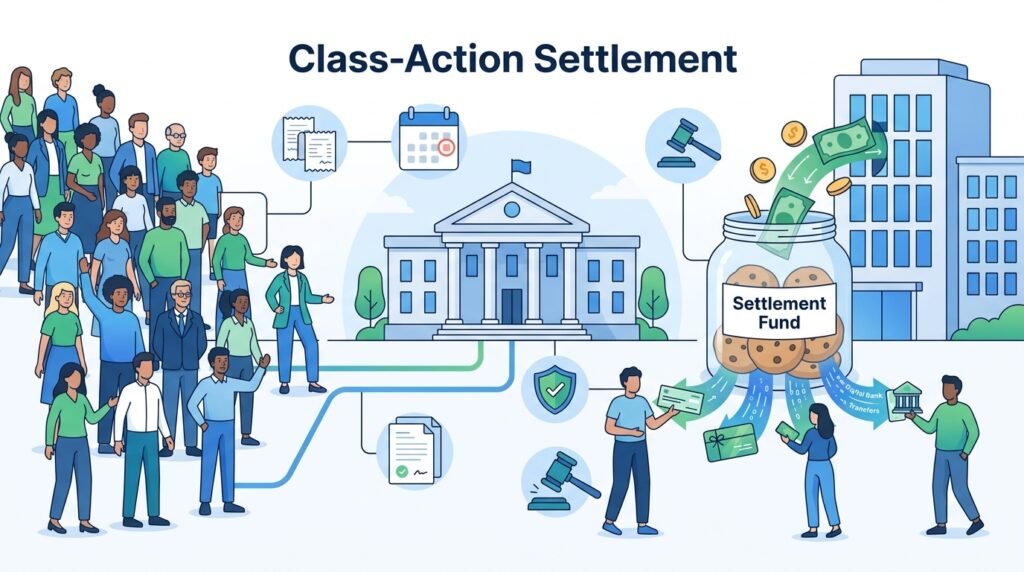
In the last few years companies have set aside many billions of dollars. Yet a large share of that money still sits unclaimed. People simply do not know the cases exist. Tools try to fill that gap. Knowing the basic idea helps you see why spending a few quiet minutes to check can be worth it.
Think of it like finding lost coins under the couch. You did not know they were there. Once you look you can pick them up. Class-action money works the same way. The coins are waiting. You only need to know where to look and when the time runs out.
Current Open Settlements Tracked in the App
Apps that watch class actions keep lists that change every month. New cases open. Old ones close. One example people still ask about has to do with email and privacy. While some Gmail-related money moves through different steps other Google cases stay open in 2026.
One privacy case about Google Assistant lets people who used the tool or lived in a house with it ask for a share. The time to claim runs into late August 2026. The amounts are small but real for many people. Another big case comes from questions about how people joined Amazon Prime. People who fit the rules can still file until late July 2026. They can get up to a set amount each. Data-break cases also show up often. One example involves an investment firm. People may claim for time lost or extra costs they had.
These lists change when courts say yes to new deals. The settlemate class action app tries to show the ones that match the answers you give about your shopping and services. Because the list of open cases keeps moving it helps to look every few weeks. That way you can catch new chances that appear after your last check. Always look at the real official settlement site. Do not trust only one list.
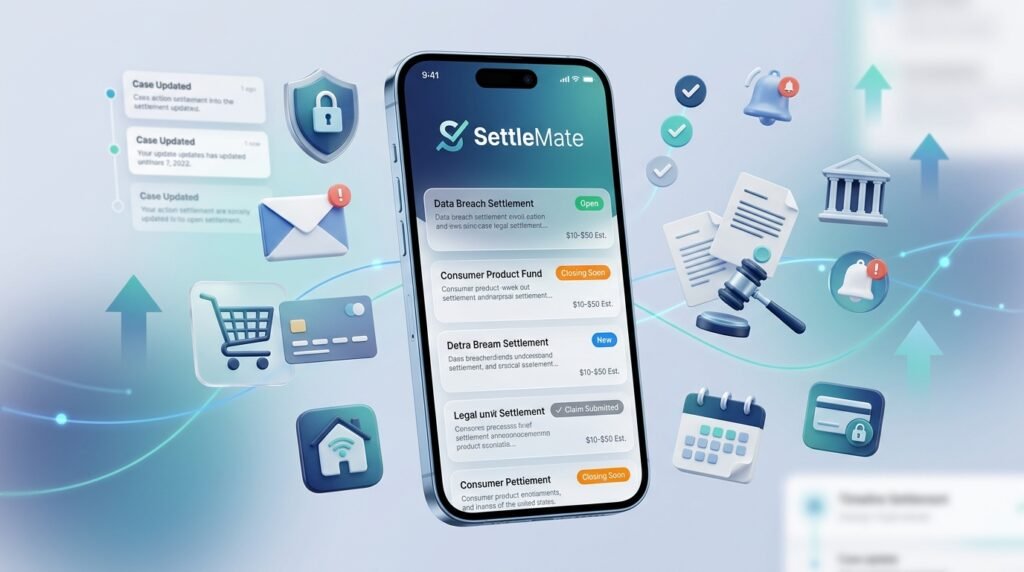
Another way to think about it is like a train schedule. New trains leave the station each month. If you miss one you wait for the next. Checking the board often helps you catch the right train. Settlements work the same. Fresh cases arrive. Old ones leave. Staying a little curious keeps you ready.
How SettleMate Finds These Automatically
The idea behind the settlemate class action app is to cut down long searches. You answer a short set of questions about things you bought or services you used. Then the tool looks through its list of open cases. It searches for matches based on the dates products and places you named. Some versions also let you connect an email. The system can then spot order notes and receipts by itself.
This automatic step aims to save time. Instead of reading long legal papers one by one you see a shorter list of possible matches. Notes can come when a new match shows up or when a deadline gets close. The last claim steps still belong to you in many cases. You may need to go to an outside page to finish the form and send any papers needed. The app does not give legal advice. It does not promise any money will come.
People who try the tool often say the matching works best when the answers stay true and full. If you leave out a store you shopped at or a year you used a service a good match can hide. Over time the list of cases grows. The same answers can show new results later.
It is a bit like a smart friend who knows which stores give refunds. You tell the friend what you bought. The friend looks and says which refunds you might get. You still have to walk to the store and fill the form. The friend only points the way. That is how the automatic part works. It points. You take the final steps.
How to Check Your Own Eligibility
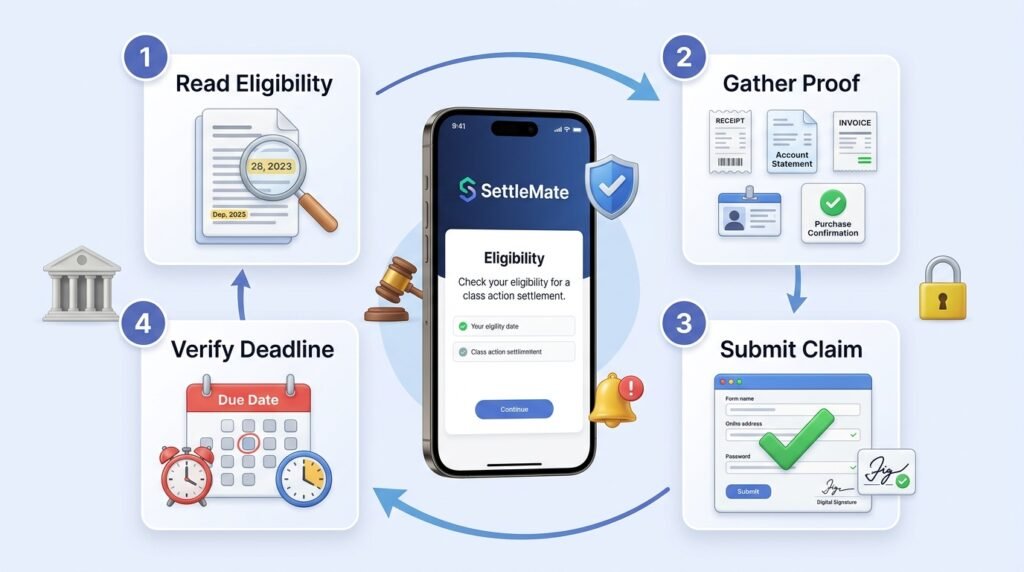
Checking if you fit a settlement follows a few clear steps. The steps work the same if you use an app or look by yourself. First read the short note about who the case covers. Look for the dates the problem happened and the products or services named. If you used that product inside those dates you likely belong in the group.
Next gather any proof the rules ask for. A receipt or account number or even a simple note that you bought the item can be enough. Some cases need nothing more than your name and address. After that fill out the claim form before the deadline. Most forms are online and take only a few minutes.
Inside the settlemate app class action part the same steps show up after a match appears. The tool may fill some answers from the questions you already gave. Still you must make sure the facts are right. Look again at the official site linked in the note so you know the true last day to file. Missing that day means the chance ends even if you found the case early.
Doing this check often helps because new settlements open all year. A purchase you made last winter might fit a case that only started taking claims this summer.
Here is a simple way to remember the steps. Read the who. Gather the proof. Fill the form. Check the date twice. That short list keeps the process clear. When you follow it you give yourself the best chance to join the group that gets a piece of the cookie jar.
Sample Settlements at a Glance
Here is a simple table of a few open or recently watched cases people often see. Numbers can change so always check the official page.
Settlement nameDeadlineEst. payoutStatusAmazon Prime membership issuesJuly 27, 2026Up to $51OpenGoogle Assistant privacyAugust 27, 2026About $2–$56OpenFidelity data breachJuly 27, 2026Up to $5,000 + extraOpenVarious product defect casesVaries$20–$100 typicalRolling
These examples show the range. Some pay small fixed amounts to many people. Others pay more when you can show real losses. Status can move from open to closed fast once the final date passes.
You can think of the table as a quick map. It shows where the open doors are right now. Walk through the door that matches something you own or used. Then follow the steps on the official site. That is how the map helps.
Frequently Asked Questions
Does the settlemate class action app cost money?
Many people say there is a monthly or yearly fee to unlock full matching and notes. Free ways to find the same cases also exist on public websites that list open settlements.
Can I really get money without a lawyer?
Yes. Most everyday settlements let people file on their own. The forms are written for regular readers. The official person who runs the settlement handles the rest.
What if the app shows a match but the official site says I do not qualify?
Always trust the official settlement website. Apps can make mistakes or use wide filters. The court papers list the exact rules.
How long does it take to receive a payment after filing?
Money often arrives months after the claim deadline. Courts must say yes to the final plan. The administrator must process every form. Waiting is part of the process.
Is the settlemate app class action settlements review mixed?
Some people like the ease and say they found cases they would have missed. Others feel the fee is high for what is mostly links to free forms. Reading recent user notes helps you decide.
Do I need to share my bank details inside the app?
You should never share sensitive account numbers unless the official settlement site asks for them at the end. Most claims only need an address for a check or a simple payment choice later.
What happens if I miss a deadline shown in the app?
Once the official date passes that case is closed for new claims. The only choice left is to watch for future cases that may cover similar problems.
Can people outside the United States use these tools?
Most settlements listed cover only people who lived or bought items inside the United States during the set dates. Rules differ by case so check each one with care.
A Gentle Closing Thought
Learning about class-action money does not need special skills or long hours. A few careful checks each month can turn forgotten purchases into small returns that add up over time. Whether you use a tool like the settlemate class action app or simply visit trusted public lists the key is staying a little curious and acting before the clocks run out. Every claim you file the right way is one less chance left sitting in that big cookie jar. Take the next quiet moment to look at one open case that matches something you own. You might be surprised how simple the next step feels once you begin.
The whole process is like picking up those lost coins under the couch. First you notice they might be there. Then you look. Then you pick them up before someone else vacuums them away. Class-action money waits the same way. A calm look now and then is all it takes. Stay gentle with yourself. Start small. One case at a time is enough. Over the months the small pieces can grow into something that feels good.
Important Disclaimer
This article is for general information only and is not legal advice of any kind. Settlement details deadlines and eligibility rules change often and without notice. Always confirm every fact claim form and final deadline on the official settlement administrator websites before taking any action. The writer and publisher accept no responsibility for any decisions made money lost or outcomes that result from reading this content. Use of any app website or service mentioned is entirely at your own risk. Nothing here should be taken as a promise of payment or a recommendation to buy or use any paid tool.