Kingddy Com: What This Website Is, Who Runs It, and How to Read Its Content

Kingddy com is a general-interest website that publishes articles on technology, finance, business, health, travel and a handful of other subjects, and it openly runs on paid guest posts. That last detail matters more than anything else about it, because it tells you how to read what you find there. The site describes itself as an independent digital publication, but its own contributor page makes clear that much of what appears on it is placed by brands, agencies and marketers who pay for the slot.
The short answer: what kind of site it is
Based on the pages the site publishes about itself, Kingddy is a multi-niche publication. Its navigation lists eleven categories: technology, finance, business, education, health, lifestyle, travel, home improvement, law, real estate and pets. Its “About” blurb says it covers technology, business, finance, AI, startups and emerging digital trends, and promises editorial content, industry analysis and “forward-thinking” perspectives. Another description on the site’s contributor page widens the scope to marketing, travel, education and health as well.
Two things are worth keeping in mind. First, a site that covers everything from banking to medical symptoms to pets is a broad content library, not a specialist outlet. Second, the site does not name an owner, an editor-in-chief or a founding team on the pages I could read, and I found no independent reporting that identifies who operates it. That does not make it suspicious by itself, since many small content sites keep their ownership quiet, but it means claims about who is behind it should be treated as unconfirmed.
How the sponsored publishing model works
The most detailed page on the site is the one that invites guest posts. It states plainly that guest contributions are not free: every accepted article is handled as a paid editorial placement. The page says pricing can vary with the topic category, the number and position of links, the article length and the publishing timeline, but it does not list actual prices, so any figure you see quoted elsewhere is not something the site itself has published.
The page also sets out the rules for contributors. Articles must be at least 1,000 words, original and unpublished, structured with proper headings, and free of spun or copied text. Links are allowed if they are relevant and use natural anchor text, and the editorial team reserves the right to make changes for clarity, formatting and compliance. The submission process has five stages, from a topic proposal through editorial review, full submission, a quality check and publication, and the site says most proposals get feedback within a few business days.
It names the people it expects to hear from: marketing agencies, SEO professionals, brand owners, founders, industry experts and content marketing teams, and it says agencies can ask about bulk publishing. The page even carries a promotional banner for a separate guest post marketplace, which fits the picture of a site that treats outside contributions as a core part of its business.

What you will actually find on the site
The categories suggest breadth, and the recent and trending posts confirm it. At the time of checking, the front of the site highlighted articles on early signs of testicular cancer, symptoms of testicular torsion, a guide to net banking with a regional Indian bank, a walkthrough for generating a credit card PIN, and tips for adding movement to daily routines. That mix is typical of a general content site: some pieces are health explainers, some are practical banking how-tos, and some are lifestyle advice.
Some of that material falls into areas where mistakes can cost real money or affect real health. If you land on one of these pages through a search, treat it as a starting point rather than an instruction manual. A bank’s own website or app is the correct source for how to set or reset a card PIN or log in to net banking, and a doctor or a recognized health body is the correct source for anything about symptoms. This is not a criticism aimed only at this site; it is a sensible habit for any third-party article on money or medicine.

Does the site say its content can be relied on?
It is unusually direct about its limits. The disclaimer page says the content is meant to be useful but that the site does not guarantee accuracy, completeness or reliability. The terms page and the disclaimer both state that nothing on the site counts as financial, legal, medical or business advice. The disclaimer also says external links lead to sites the publisher does not control and takes no responsibility for what those sites contain.
Read together with the sponsored model, this gives you a fair framework. The publisher is saying that articles may be commissioned by third parties, that links inside them may serve those parties, and that readers carry the responsibility of checking important details. I could not confirm whether each individual article carries a visible “sponsored” label, so do not assume that an article is neutral editorial just because it sits under a category heading.
Is it legitimate? What can and cannot be said
There is no verified public evidence of fraud, a scam, or any official complaint tied to the site, and this article does not suggest one. The site has the standard set of legal pages that a working publication would have, including a privacy policy, a copyright takedown page, terms and a disclaimer, and it states its guest post policy openly. Its presence on social platforms is limited, though: the site lists accounts on X, LinkedIn, Pinterest, GitHub and Mastodon, and the Mastodon profile I saw showed one post and no followers.
What cannot be verified is just as important. I could not find confirmed figures for monthly visitors, domain age, search authority, editorial staffing or ownership from any independent or official source. Third-party “authority” scores and traffic estimates you may see on SEO tools are modeled guesses, not facts about the site, and they vary between tools. For a business deciding whether a paid placement is worth the money, the sensible step is to look at a handful of live articles, check whether they rank or get shared, and ask the editorial team directly for their policies in writing before paying.
Common mix-ups around the name
The spelling has two d’s, and that detail trips people up. It has no connection that I could find to King, the Swedish game company behind Candy Crush, which operated as King.com until it dropped the “.com” from its branding in 2013. Searching for near-matches also surfaces unrelated crypto token pages and profile-spam pages for betting brands, which share part of the spelling but nothing else. If you arrived here from a typo, double-check the exact address before entering any personal or payment details on any site.

If you are a reader, a writer, or a buyer
For a casual reader, the practical approach is simple: use articles on the site for general background, check anything involving money, law or health against an official source, and be aware that links inside articles may be paid for. For a writer or marketer considering a guest post, the page’s published rules are clear about length, originality and linking, but the cost and the exact outcome are matters to settle with the team directly. For anyone researching the brand itself, the main facts that can be confirmed today are the ones the site states about its categories, its model and its policies, and the main facts that cannot be confirmed are who owns it and how large its audience is.
Bottom line on Kingddy com
Kingddy com is best understood as a broad, sponsored-content publication rather than a news outlet or a specialist authority, and it is upfront about that in its own contributor and legal pages. It can be a convenient place to find quick explainers, as long as you treat sensitive topics with caution and verify them elsewhere. Everything beyond what the site says about itself, especially ownership, traffic and reach, remains unconfirmed in public sources as of late November 2026.
Disclaimer: This article is general information about a website and is not financial, legal or medical advice.
EXPLORE MORE: Lawsuits Imre Kifor Is Involved In: What Public Court Records Show
Related Posts
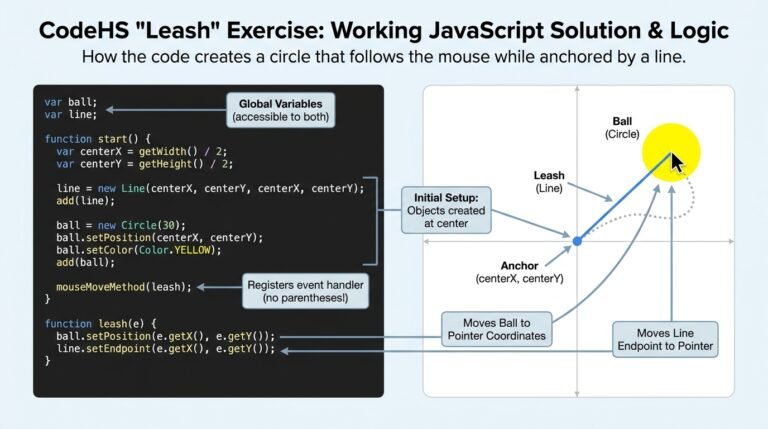
Leash CodeHS Answers: Working JavaScript Code and How It Works
If you are hunting for leash codehs answers, the short version is that this exercise is a JavaScript…

Barbeglue Explained: What It Is, Where It Goes, and How Much Heat It Can Take
Barbeglue is the trade name of a one-part adhesive made for the Italian barbecue maker Sarom, and it…

Windstrebe: What It Is, Where It Sits in a Roof, and How It Differs From a Windrispe
A Windstrebe is a diagonal timber brace that stops a roof frame from leaning or racking sideways when…
1 Comment