
Have you seen an ad for a class action lawsuit no proof needed? It sounds easy. You might think money just comes. But it is not that simple. Computers help now in 2026. Joining is faster. But you still must know the truth. This guide uses easy words. We will talk about claims. You will learn when proof is needed. You will learn when it is not. You will feel calm soon. Let us learn together.
Introduction to the “No Proof” Misconception in Class Actions
Many people think joining means free money. They see short forms. They think that is all. But this is only partly true. The phrase class action lawsuit no proof means one thing. You do not prove the company broke the law. The court decided that already. But you must show you were hurt. Think of a school rule. The principal says the rule was bad. But each student must say how it hurt them. This is important to know.
Cases are not all the same. Some are simple. Many people lost the same small amount. Other cases are harder. Harms are different for each person. If you treat all cases alike, mistakes happen. Read the website well. It tells you what to do. This stops surprises. Being ready feels good. Knowledge turns worry into peace. Learning first helps a lot.
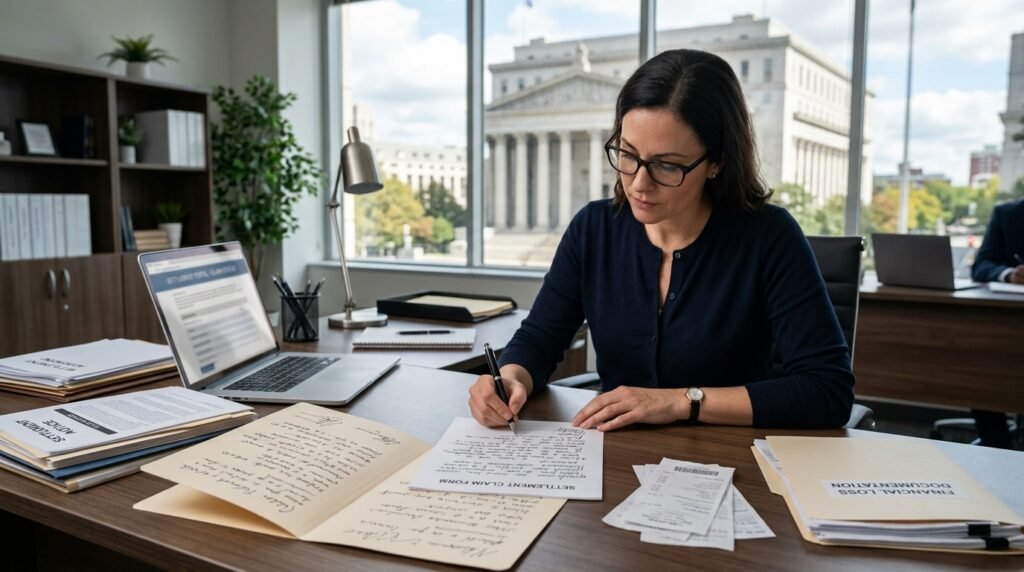
Timing matters too. The easy part comes last. Courts fight the big battle first. This takes months or years. Then personal claims start. A simple form means hard work is done. But your step needs care. Skipping details stops payment. Extra minutes now save stress later. Trust comes from knowing what to expect. This helps you move forward. Fear goes away when you understand.
The Legal Reality of Standing Versus Individual Damages
Courts use two words. They sound hard but are simple. The first word is standing. Standing means you belong in the group. Maybe you bought the product. Maybe you used the app. Deep proof is rare for standing. The court agrees you were likely hurt. The second term is individual damages. This is the money you lost. Here is where class action lawsuit no proof gets tricky. Standing is assumed. But damages need checking. Imagine a picnic. Everyone gets a drink. But extra snacks need a ticket.
A base payment might need just a check mark. A bigger payment needs receipts. This keeps the fund fair. People with big losses get more help. Without checks, money runs out. Judges want honesty. They do not want guesses. This protects everyone. Fairness matters more than speed. Understanding this sets realistic hopes. Some steps are light. Others are heavy. Both are needed for justice.

Computers help this balance. They check claims quietly. This makes things smooth. But the core idea stays the same. Proof of belonging is easy. Proof of loss varies. Keeping this clear prevents confusion. You will understand why documents are asked for. Clarity brings comfort. Comfort helps you act wisely. This mindset guides you safely.
Digital Verification and Automated Claim Processing in 2026
Smart systems check claims fast in 2026. Settlements connect to store records. Computers verify purchases with permission. This feels like a class action lawsuit no proof moment. But digital proof works quietly. You do not upload papers. Validation still happens. This cuts errors. It speeds up payments. Old methods took weeks. New tech gives answers in minutes. Beginners benefit most. No more lost receipts. Just secure data matching.
Tools understand context now. They know refunds are not valid. They spot returns instantly. This stops overpayments. Honest claimants get approved faster. Fraud gets flagged right away. Feedback lowers stress. You know if something is wrong. Fixing issues is quick. Waiting is gone. Justice feels kind now. Technology serves people.

These systems are standard now. Apps and shops use them. They respect accuracy and ease. But tech has limits. Human review is sometimes needed. Complex cases need documents. Knowing this prepares you. Do not assume all cases are automatic. Check details always. Flexibility is key. Embrace tech but stay alert. This ensures success. You get speed and fairness.
Settlement Tiers and When Documentation Becomes Mandatory
Settlements have payment levels. A base tier gives a flat amount. Minimal validation is needed. This is where class action settlements without proof of purchase can be found. Enhanced tiers exist for greater harms. These need real documents. Knowing this helps you choose. Is more money worth effort? Sometimes yes. Sometimes no. Base payments are sure and quick. Enhanced awards take longer. They carry risk. Your situation guides this choice.
A breach might pay $50 to all. Stolen funds mean thousands with reports. Decide based on what you can prove. Deadlines for enhanced claims are tighter. Missing them loses the chance. Organize files early. Understanding tiers is smart strategy. You maximize recovery without stress. Fairness drives this design. Everyone gets appropriate compensation. No one takes more than their share. This protects the fund.
Consider your time and energy. Gathering documents takes work. Weigh that against gain. Some find base payments enough. Others pursue enhanced awards. Both choices are valid. There is no wrong path if honest. Read terms before deciding. Ask questions if unclear. Administrators want you to succeed. Use resources fully. Informed decisions lead to better outcomes. Confidence grows with understanding.
Risks of False Claims Under Streamlined Verification Systems
Simple forms might tempt exaggeration. This is dangerous in 2026. Anti-fraud AI checks claims. False info leads to rejection. Penalties are possible. Fraud drains funds for honest people. Judges watch abuse rates. Too much fraud cancels settlements. One dishonest act hurts thousands. Truthfulness protects everyone. Integrity matters more than cash. Submit accurate information only.
Detection systems are smarter now. They compare timelines and patterns. Checks run without uploads. Mismatches get caught. Honest mistakes are forgiven if fixed. Lies are treated harshly. Uncertain? Leave fields blank. Transparency builds trust. Good faith increases approval. The goal is fair compensation. Not windfalls from guessing. Respect the process. It respects you.
Simplified verification is a privilege. Abuse threatens its future. Protect access by being truthful. Report suspicious activity. Vigilance strengthens the system. Honesty aids justice. Small actions create big impacts. Stay mindful of responsibility. Ethics guide success. Peace follows integrity. Sleep well knowing you did right. That feeling is worth more than money. Character counts.
Practical Steps for Navigating Low-Barrier Class Action Claims
Verify the administrator officially. Use court websites or trusted news. Never pay upfront fees. Real settlements never charge. Check deadlines and set reminders. Avoid last-minute stress. Read the FAQ section. It answers specific questions. Keep copies of submissions. Save confirmation emails. These habits build safety. Simple steps prevent problems.
Manage payout expectations. Tech takes time for approvals. Appeals add months. Base payments come first. Plan without counting on immediate funds. Sign up for email updates. Stay informed about delays. Patience reduces frustration. Proactive responses solve issues. Practice builds confidence. Confusing processes become manageable. Knowledge empowers safe navigation. You handle claims well.
Protect personal information. Use only official sites. Avoid third-party links. Verify URLs match court documents. Scammers mimic real sites. Double-check before entering data. Contact administrators if unsure. Official channels are safest. Security is part of claiming. Vigilance guards against theft. Trust but verify. Caution preserves rights. Safe participation brings peace. Enjoy the process without fear.

Frequently Asked Questions About Evidence Requirements
What if I lost my receipt or deleted my account years ago?
Bank statements often work instead. Warranty cards help too. Affidavits describing purchases are okay. Administrators know records fade. Flexible options exist. Be honest about missing documents. Do not give up. Partial proof suffices for base tiers. Persistence pays off. Hope remains without perfect records.
Is there a time limit to submit missing documents after filing?
Yes, cure periods last thirty to sixty days. Notifications specify deadlines. Ignoring requests causes denial. Act promptly when contacted. Calendar alerts prevent missed windows. Second chances expire quickly. Treat follow-ups as urgent. Timely responses save claims. Organization beats procrastination. Mark dates immediately.
Can I appeal if my claim is denied for lack of proof?
Most settlements allow appeals. New evidence can reverse decisions. Appeal windows are short. Review denial reasons carefully. Respond with targeted information. Many reversals happen with fixes. Do not accept denials passively. Advocacy matters. Follow procedures precisely. Persistence yields positive outcomes. Believe in your right to review.
Do digital purchases count the same as physical store buys?
Generally yes. Digital records verify easily. APIs automate confirmation. Email receipts qualify. App histories work too. Subscription logs serve as proof. Ensure records show product, date, and price. Match criteria exactly. Digital trails are strong. Embrace electronic evidence. Modern systems favor digital sources. Convenience meets credibility.
What happens if I accidentally submitted wrong information?
Contact administrators immediately. Correct errors before processing ends. Amendments are allowed during review. Unintentional mistakes carry no penalty. Prompt fixes show good faith. Issues resolve with transparency. Do not panic over slips. Communication cures problems. Accuracy improves with corrections. Learn without shame. Growth happens through adjustment.
Are third-party claim filing services safe to use?
Some help but verify registration. Never pay upfront fees. Official sites list approved vendors. Stick to recommended providers. Read 2026 reviews. Gauge reliability currently. Scams exploit confusion. Due diligence prevents mistakes. Trusted partners enhance success. Research protects interests. Choose wisely based on facts. Safety precedes convenience.
How do I know if a “no proof” offer is legitimate?
Real settlements link to court case numbers. Sites end in .com or .org. Pressure tactics signal scams. Vague language raises red flags. Gift card requests are fraudulent. Trust only court-referenced sources. News outlets confirm validity. Skepticism safeguards against deception. Verify independently. Authenticity shines through transparency. Legitimate offers welcome scrutiny. Doubt nothing that withstands verification.
Moving Forward With Confidence and Clarity
Understanding how class action lawsuits without proof operate brings peace. You see the balance between ease and fairness. Technology helps but honesty remains key. Awareness protects your interests. Approach opportunities with care. Tools exist to navigate. Participation holds companies accountable. Your voice matters. Stay informed and truthful. The system works for you. Confidence grows with each step. Celebrate progress. You are capable. Justice feels accessible. Walk forward with hope. Your journey matters.
Important Disclaimer
This article is for educational and informational purposes only and does not constitute legal advice, financial advice, or professional counsel. Laws regarding class action lawsuits vary by jurisdiction and change frequently, so readers should always consult a qualified attorney or official settlement administrator for guidance specific to their situation. The author and publisher make no representations or warranties about the accuracy, completeness, or reliability of the information presented herein. Participation in any class action settlement involves risks and requirements that must be verified independently through official court-approved channels. Never rely solely on general articles when making decisions about legal rights or financial claims. Always confirm current deadlines, eligibility criteria, and documentation requirements directly with the designated settlement administrator or legal representative.