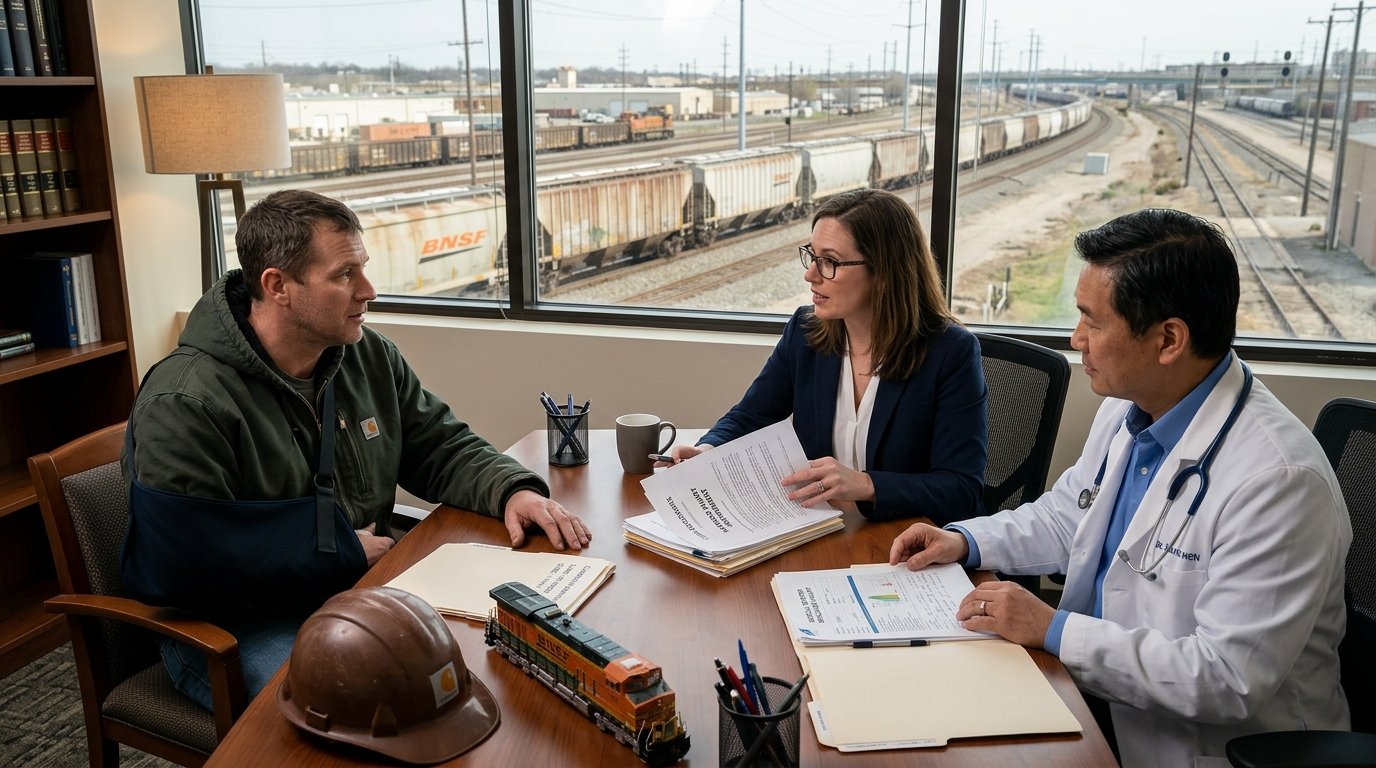
Railroad work is very hard on the body. Many workers use their arms and shoulders every single day. They lift heavy things. They pull big levers. They move large metal parts. When a shoulder gets hurt, it hurts a lot. It can stop you from doing your job. This is why learning about railroad shoulder injury settlements is so important. It matters for anyone who works on trains or tracks. Most jobs have simple rules for accidents. You get hurt, and you get help. But railroad jobs are different. Workers have special rules called FELA. These rules are not the same. You must prove the company did something wrong. This guide will tell you what you need to know. We will use simple words. You will feel confident and informed after reading this.
Understanding FELA and Shoulder Injury Claims
Most people think work injuries are simple. You fill out a form. You get paid. This is true for many jobs. But it is not true for railroads. Railroad workers follow a federal law. It is called the Federal Employers’ Liability Act. People call it FELA for short. This law was made long ago. It protects workers in a dangerous industry. Under FELA, you do not get money just because you were hurt. You must show the employer was negligent. Negligence means the company failed to keep things safe. It means they failed to train you well.
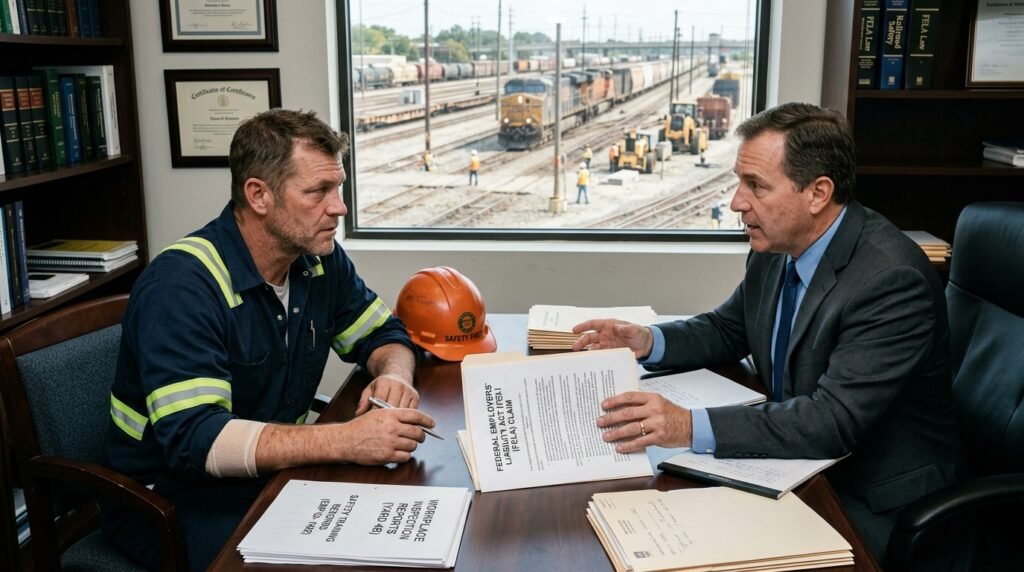
This difference is very big for shoulder injuries. You must prove fault. Your claim is like a lawsuit. It is not a simple insurance request. This means railroad shoulder injury settlements can be high. They are higher than standard workers’ compensation. But they are harder to win. You must show the company played a part in your injury. Their actions matter. Their lack of action matters too. Even if the company was only a little bit responsible, you can get damages. This is why you must understand these claims. You need to know how they work from the start.
Common Causes of Shoulder Injuries in Railroad Work
Shoulder injuries happen in specific ways in the rail industry. These ways are different from office jobs. They are different from factory jobs too. One common cause is heavy lifting. Workers lift heavy tools by themselves. They lift heavy bags. They lift parts of the train. If the object is too heavy, the shoulder can tear. If the worker twists while lifting, it can strain. Another frequent cause is slipping and falling. Train yards can be icy. They can be wet. They can have loose gravel. A slip can make a person fall. They might fall on their shoulder. This leads to broken bones. It can lead to dislocations too.
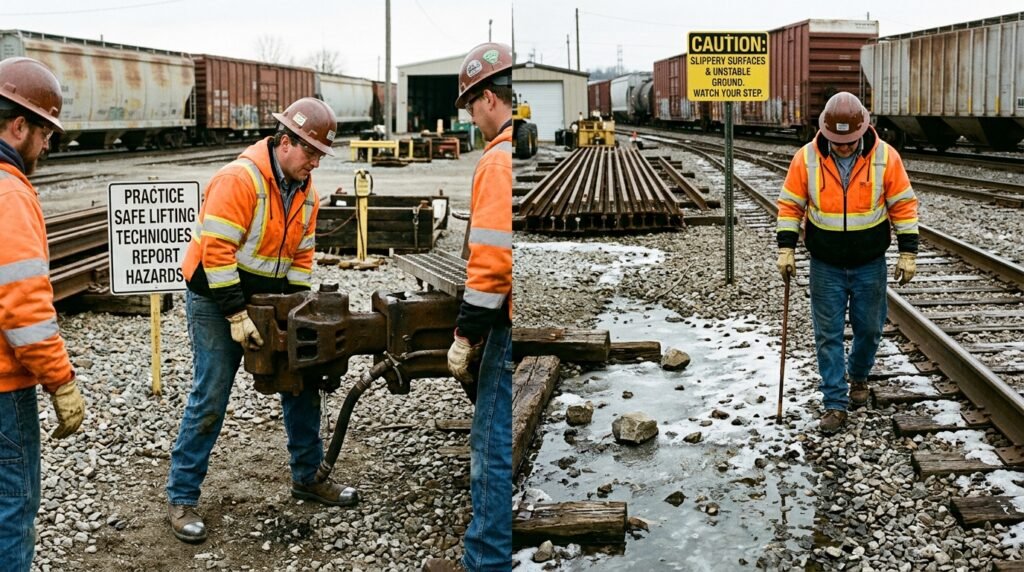
Coupling rail cars is another major risk. Uncoupling them is risky too. This task needs force. Workers push heavy metal pins into place. This puts huge stress on shoulder joints. Over time, this motion wears down tissues. Using vibrating tools is also bad. Doing this for long periods damages nerves. It damages muscles around the shoulder area. These hazards create patterns of injury. Knowing how your injury happened helps your lawyer. They can explain why the company is responsible. They can explain why you are in pain.
Types of Shoulder Injuries Covered Under FELA
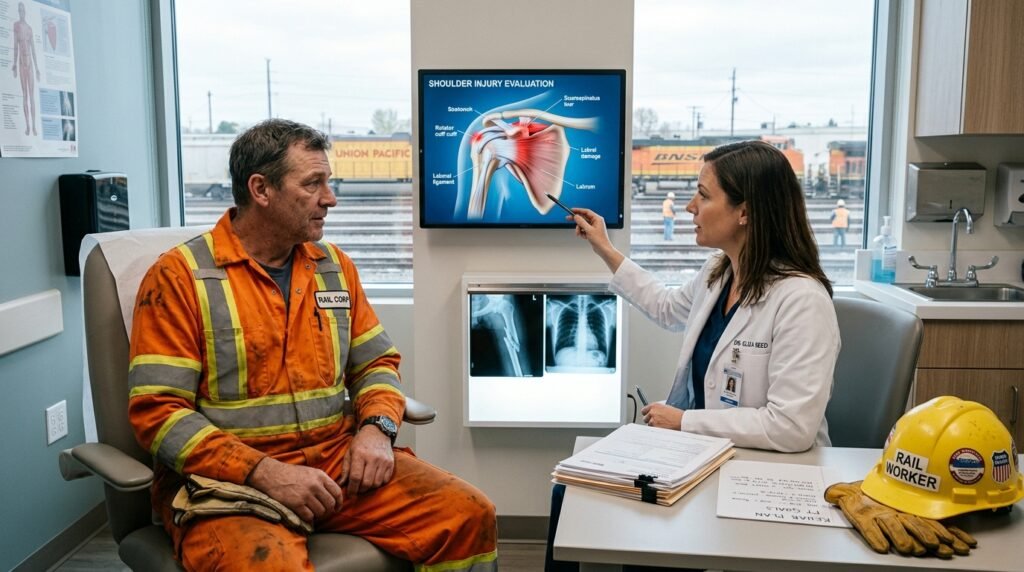
Many kinds of shoulder problems qualify for compensation. One very common one is a rotator cuff tear. The rotator cuff is a group of muscles. It has tendons too. They hold your arm in place. When these tear, it causes weakness. It causes pain when you lift your arm. Another type is a labral injury. The labrum is a ring of cartilage. It keeps the shoulder joint stable. Tears here make the shoulder feel loose. It feels like it is popping out.
Dislocations are covered too. Fractures are covered as well. A dislocation happens when bone pops out. A fracture is a broken bone. Both are very painful. They take a long time to heal. Chronic conditions can be claimed too. Arthritis is one example. Adhesive capsulitis is another. People call it frozen shoulder. You can claim these if work made them worse. For example, you might have mild arthritis. But heavy lifting at work made it severe. Then you may have a valid claim. Medical docs must link these diagnoses to work. This strengthens the claim for railroad shoulder injury settlements.
Calculating Settlement Values for Shoulder Injuries
Figuring out the money value is confusing. Every case is unique. Several factors go into the final number. First, doctors give a disability rating. This rating shows lost function in your shoulder. A higher rating usually means more money. Next, future medical needs are considered. Will you need surgery later? Will you need physical therapy? Will you need medicine for life? These costs are added to the total.
Lost earning capacity is another big factor. Your shoulder injury might stop your old job. You might have to take a lower-paying job. You might have to stop working entirely. The settlement should cover this loss. It covers income loss over time. Pain and suffering are included too. This covers physical pain. It covers emotional stress too. Your age matters. Your job role matters too. A younger worker cannot do heavy labor anymore. They may get more than an older worker. An older worker might be close to retirement. All these pieces come together. They determine the value of railroad shoulder injury settlements.
The Role of Negligence in Determining Compensation
FELA is based on negligence. Proving fault is the key. You must prove it to get paid. Comparative negligence is used in these cases. This means you can get money even if you were partly to blame. But your award might be reduced if you were mostly to blame. For example, the company provided broken equipment. But you also ignored safety rules. The jury decides the percentage. They decide who is responsible for what.
Common negligent practices include bad training. Poorly maintained equipment is another. Unsafe working conditions are a third. If the company knew about a slippery floor, they should fix it. If they did not, that is negligence. If they did not teach you to lift safely, that is negligence too. Failure to provide safety protocols is a strong point. The more evidence you have, the better. Show the company failed its duty. Show they failed to keep you safe. This makes your position strong. It helps during settlement negotiations.
Medical Evidence Required for Strong Claims
Good medical records are the foundation. They are the base of any successful claim. It is critical to see a doctor right away. Do not wait after an injury. Waiting too long looks bad. It makes the injury look not serious. It makes it look like it did not happen at work. You need consistent treatment records. Show you are following doctor advice. Diagnostic imaging results provide proof. X-rays show damage. MRIs show damage too. CT scans show damage inside your shoulder.

Expert medical opinions are very helpful. A doctor can write a report. They explain how job duties caused the condition. They explain how work worsened it. This links the injury to your work. Thorough medical evidence creates a solid base. It helps negotiate fair compensation. It helps defend against challenges. The insurance company might challenge you. They might say your injury is old. They might say it is unrelated to work. Strong medical proof stops this. Without it, winning a FELA case is very hard.
Timeline and Process for FELA Shoulder Injury Claims
The FELA claim process takes time. It needs patience. It starts with reporting the injury. Tell your supervisor right away. After that, an investigation phase begins. The company looks into what happened. You will go through medical evaluations. These determine the extent of your injury. Negotiation timelines vary a lot. It often takes months to reach a settlement. Sometimes it takes years.
If the offer is low, your lawyer may suggest court. Litigation is the legal process. A judge or jury decides the outcome. This can take even longer. But it sometimes results in a higher award. Realistic expectations are important. Rushing the process is bad. It can lead to accepting less money. Patience is essential for maximizing recovery. Building a strong case takes preparation. It takes time to do it right.
Mistakes That Reduce Settlement Amounts
Many workers make simple errors. These errors weaken their claims. One big mistake is delaying medical treatment. Wait weeks to see a doctor? That is bad. The insurance company will argue. They will say your injury is not serious. Another error is accepting early offers. Companies offer small amounts quickly. They want to close the case fast. They do this before you know the full extent. Never accept an offer without a lawyer. Talk to a lawyer first.
Returning to work prematurely is risky. Do not go back before you are healed. Heavy lifting can make the injury worse. It hurts your claim too. Failing to document symptoms is another problem. Keep a journal of your pain levels. Write how the injury affects daily life. Speaking with company reps is dangerous. Do not do it without legal counsel. They may try to trick you. They want you to minimize your injury. Always let your lawyer handle communications. Let them talk to the company.
Working with Specialized FELA Attorneys
FELA law is complex. You need a specialized lawyer. You need one who knows railroad injuries. General personal injury lawyers may not know enough. They may not understand rail industry rules. Specialized attorneys have experience. They know how to prove negligence effectively. They have relationships with medical experts. These experts can support your claim.
These lawyers have negotiation leverage. They deal with railroad insurance carriers. They have a track record of winning. Most FELA attorneys work on contingency. This means you do not pay unless they win. Their fee is a percentage of the settlement. Look for a lawyer who listens. Look for one who explains things clearly. Check their history of success. Look for success with shoulder injury claims. Their expertise makes a huge difference. It changes the outcome of your case.

Maximizing Your Railroad Shoulder Injury Settlement
You need to be proactive for the best result. Keep a detailed personal injury journal. Write down your pain every day. Write what activities you cannot do. Follow all medical recommendations precisely. Rest if your doctor says rest. Do exercises if your doctor says so. This shows you take recovery seriously.
Avoid posting about your injury online. Do not use social media for this. Insurance companies look at Facebook. They look at Instagram too. They find photos that contradict claims. A picture of you smiling can be used against you. Prepare thoroughly for depositions if needed. A deposition is answering questions under oath. It happens before trial. Practice with your lawyer. Be ready for it. Proactive communication with legal counsel helps. Set realistic expectations throughout the process. This helps you achieve a fair settlement. It helps you get a just result.
Frequently Asked Questions
How long do I have to file a FELA claim?
You generally have three years. This starts from the date of your injury. But it is best to start soon. This preserves evidence. It preserves witness memories too.
Can I get paid if I was partly at fault?
Yes. Under FELA, you can still recover damages. This is true even if you were partially responsible. But your compensation may be reduced. It is reduced by your percentage of fault.
What if my shoulder injury developed slowly?
Cumulative trauma injuries are covered. You must prove work duties contributed. Medical evidence is crucial here. It must link slow development to your job.
Do I have to go to court for a settlement?
No. Many FELA cases settle out of court. This happens through negotiations. But being prepared for court helps. It often leads to better offers from insurance.
Will my job be protected while I claim?
FELA protects workers from retaliation. Your employer cannot fire you for filing. They cannot punish you for seeking compensation. This applies to work-related injuries.
How much does it cost to hire a lawyer?
Most FELA lawyers work on contingency. They only get paid if you win. You typically do not pay upfront fees. This makes legal help accessible for workers.
Can I choose my own doctor for treatment?
In many cases, yes. It is often better to see your own doctor. Choose one not employed by the railroad. This ensures an unbiased medical opinion. Check with your lawyer about rules.
What happens if the offer is too low?
If the offer is unfair, reject it. Your lawyer can advise you on this. You can proceed to litigation. A judge or jury will then decide. They decide the appropriate compensation amount.
Conclusion
Dealing with a shoulder injury is tough. Working on the railroad makes it harder. But you do not have to face it alone. Understanding FELA rules gives you power. You can seek the compensation you deserve. Remember that railroad shoulder injury settlements depend on negligence. Gather strong evidence. Work with a specialized attorney. Avoid common mistakes. Stay proactive in your recovery. This protects your future. It protects your financial security. Take time to learn your rights. Document your injury well. Seek the help you need. With the right support, you can navigate this process. You can move forward with confidence.
Legal Disclaimer
The information in this article is for general education. It is for informational purposes only. It is not intended to be legal advice. Do not take it as legal advice. Every case is unique. Laws may vary by location. Laws may change over time. Always consult with a qualified attorney. Choose one who specializes in FELA. Choose one who knows railroad injury law. Get advice for your specific situation. Relying on this article is your own risk. The author is not liable for errors. The publisher is not liable for omissions. They are not liable for damages from using this content.
1 thought on “Railroad Shoulder Injury Settlements: A Complete Guide for FELA Claims”