www.blueflamepublishing .net: A Blog, Not a Book Publisher, and Why Search Results Say Otherwise

If you searched for www.blueflamepublishing .net hoping to find a book publisher, a short answer will save you time: the site’s own pages describe a general blog about technology, blogging and online trends, not a press that accepts manuscripts. This article is based on pages viewed on 23 November 2026, and it separates what the site itself shows from what a crowd of look-alike “review” pages claim about it. That difference matters most if you are an author thinking about sending work, or money, to anyone using this name.
Why does the address have a space in it?
A real web address cannot contain a space, so the version with a gap before “.net” will not open anything if you paste it into a browser. The spaced spelling survives because people type the name that way into search boxes, and a cluster of articles, many of them on the site itself, repeat it as a headline to catch those searches. To reach the actual site, remove the space and type blueflamepublishing.net. Spellings with an extra “s” or a “-blog” ending also circulate, and nothing public confirms that they belong to the same owner.
What do the site’s own pages say it is?
The About page describes a project aimed at connecting technology and knowledge, with a focus on artificial intelligence and emerging trends. It names two editors, Janet Robertson and Andrew Holiday, and it never mentions books, manuscripts, authors or publishing services. The page’s own metadata shows it was last edited in April 2024, so it has not been revised to match the very different story told by the articles that followed.
The Contact page gives one email address for questions, feedback and what it calls collaboration opportunities, with no phone number. The postal address shown across the site is 5142 Talmoros Street, Lomen, IL 90356. Research for this article found no independent record of that street, and the ZIP code falls outside the range used for Illinois, which starts with 60, 61 or 62. The site itself even runs a “neighborhood guide” post about the address, which suggests it is treated more as a search topic than as a place where anyone works.
What does it actually publish?
The homepage is a feed of articles under a few headings: Blogger’s Life, Tech and Latest Trends. The “Trend Explorers” block runs under the byline Falmendis Kolfin and the “Tech Insights” block under Rolendor Karnis, neither of whom appears on the About page, and the site offers no biography or contact route for either. Older Blogger’s Life pieces from 2024 and 2025 are credited to the two editors, and the homepage lists articles added as recently as this month.
The subjects are all over the map. Recent headlines cover online casinos and betting platforms, backyard design, offsite backups, buying a CNC machine, used car parts, home energy efficiency and relationship expectations. A row of “partners” near the bottom links out to unrelated outside sites, and the contact page invites partnership inquiries without publishing any guest-post rules, prices or editorial policy. None of this resembles a book publisher’s catalogue. It resembles a general-interest blog that accepts outside content, though the site does not say on what terms.
Why do so many pages call it a publishing company?
The name contains the word “publishing”, and a large group of articles has grown up around the domain name as a search phrase. Some sit on the site itself, and others appear on sites with similar names. They do not agree with each other, and they do not agree with the site. Here is how the most common claims compare with what the site shows.
| What search-result articles say | What the site itself shows |
|---|---|
| A small independent press for Christian and inspirational titles | Nothing on the homepage, About page or menu refers to faith-based books |
| More than 50 published titles, with traditional, self-publishing and hybrid routes | No catalogue, imprint page or list of ISBNs |
| Clear submission rules, pricing and contract terms | No such pages exist beyond a privacy policy and terms of use |
| Editing, cover design and marketing packages for indie authors | No service descriptions or order forms anywhere |
| A technology and blogging platform | Matches the About page and the homepage |
Only the last description holds up. The others read like search-optimization copy: the domain name is stuffed into headlines, the praise is generic, and none of them names a contract, a price, an author or a book that can be checked. Treat them the way you would treat any unsourced claim, however many times it is repeated.
Two other points cause confusion. A separate site at blueflamepublishing.org presents itself as a place for people who enjoy writing, reading and thinking, and one independent write-up notes that it names no owner and that any link to the .net site is unconfirmed. And searches for “blue flame” in a book context also surface unrelated novels with that title, including one from SparkPress distributed by Simon & Schuster and a 2020 thriller issued through Draft2Digital. Those books have no demonstrated connection to this website.

Is the site safe to use or trust?
The honest answer is that very little can be confirmed either way. Research for this article found no warning from an author-advocacy group about the domain, and also no independent review from a source with editorial standing, so the absence of complaints should not be read as an endorsement. The site does not disclose a legal owner or company registration, and the address does not check out. Reading articles on it carries the ordinary risks of any ad-supported blog with outside links. Paying money or handing over rights to anyone claiming to act in its name would be a different matter entirely.
What should an author check before sending a manuscript?
Writer Beware, the watchdog run under the Science Fiction and Fantasy Writers of America, lists publishing fees, editing fees, design fees, publicity fees and requirements to buy your own book among its main warning signs. The Authors Guild makes the same point from another angle: traditional publishers do not ask for money up front, and the only fee-based exception is the hybrid model, where costs are shared and should be spelled out in writing.
Before trusting any publisher, order one of its books and judge the editing and printing yourself, contact authors it has published, and search the company name together with the word “complaints” and in Writer Beware’s records. Ask where the books are actually sold and who the real people behind the company are. Have a lawyer who knows publishing contracts read any agreement before you sign, and be wary of anyone who rushes you or flatters your draft before reading it. Apply these steps to this name as you would to any other, because nothing seen on the site gives you a reason to skip them.

So what is the practical takeaway?
Treat www.blueflamepublishing .net as a general-interest blog that happens to carry a publishing-sounding name, and do not assume it offers manuscript services, royalties or distribution unless someone shows you a contract, a catalogue and verifiable books. If your goal is to publish a book, use the checks above with whichever company you are considering. If you only want to read the blog, go to the real address without the space and judge the articles on their own merits.
EXPLORE MORE: Dexcom G7 Lawsuit Problems: What Is Confirmed, What Is Only Alleged, and Where the Cases Stand
Related Posts
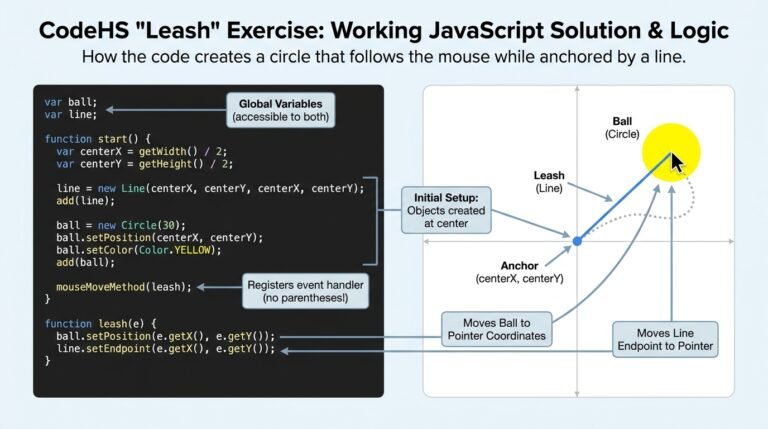
Leash CodeHS Answers: Working JavaScript Code and How It Works
If you are hunting for leash codehs answers, the short version is that this exercise is a JavaScript…

Barbeglue Explained: What It Is, Where It Goes, and How Much Heat It Can Take
Barbeglue is the trade name of a one-part adhesive made for the Italian barbecue maker Sarom, and it…

Windstrebe: What It Is, Where It Sits in a Roof, and How It Differs From a Windrispe
A Windstrebe is a diagonal timber brace that stops a roof frame from leaning or racking sideways when…
1 Comment